The Color of Christmas: The Coca-Cola Effect
The Color of Christmas: Why Is It Red?

A fascinating mix of history, religion, culture, and branding.
What was Santa’s original look, really?

Every December, the world turns red.
Red lights. Red hats. Red ribbons. Red everywhere.
But have you ever paused to ask:
Why red?
Was Christmas always this color?
And did Santa really start out this way?
The answer is a fascinating mix of history, religion, culture, and branding.
Christmas Wasn’t Always Red
In the early centuries of Christmas celebrations, red wasn’t the dominant color at all.
Different cultures associated Christmas with different hues:
Green → Life, rebirth, evergreen trees surviving winter
White → Purity, snow, divinity
Gold → Light, royalty, the Star of Bethlehem
Blue → Calm, night sky, Mary’s robes in Christian art
In fact, green was the strongest early Christmas color, symbolizing hope and renewal during the harsh winter.

Red came much later.
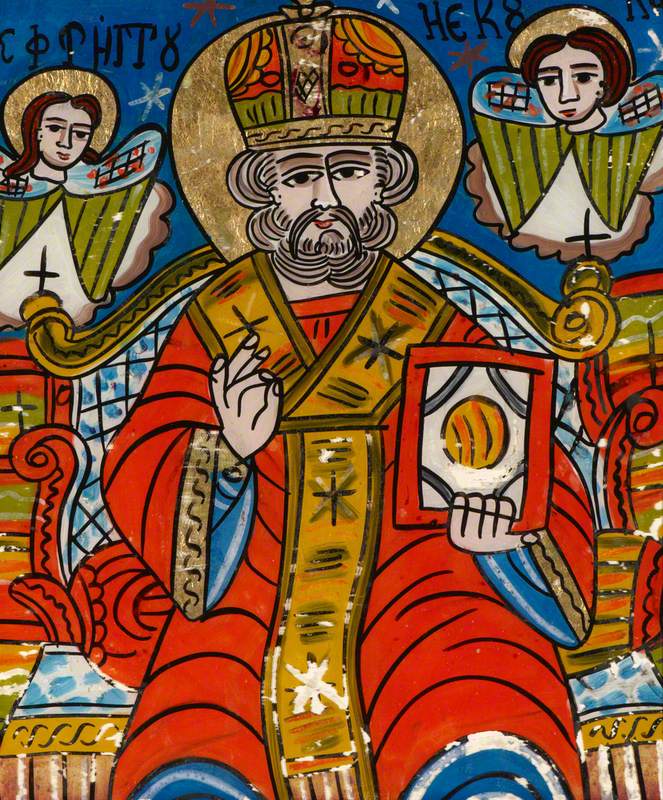
The Real Santa Before Red
Santa Claus didn’t start as a jolly man in a red suit.
He was inspired by St. Nicholas, a 4th-century Christian bishop from present-day Turkey, known for generosity and kindness.
Early depictions showed him:
Wearing long religious robes
Dressed in green, brown, blue, or purple
Looking more like a serious saint than a cheerful entertainer
There was no fixed color, no standardized look, and certainly no branding.
How Red Entered the Story
Red slowly gained meaning through symbolism:
Christian symbolism → Red represented love, sacrifice, and Christ’s blood
Winter contrast → Red stood out boldly against snow and dark winters
Festive warmth → It felt emotionally warm in cold seasons
By the 19th century, illustrators began experimenting with Santa’s appearance.
Some showed him in red, others in green.
But consistency was still missing.
The Turning Point: Visual Consistency
The real transformation happened in the early 20th century.
Artists began portraying Santa as:
Plump
Cheerful
Friendly
Dressed in a bright red suit with white fur
This version resonated emotionally — especially with children.
Then came the moment that changed everything.
The Coca-Cola Effect (Yes, That One)

In the 1930s, Coca-Cola commissioned artist Haddon Sundblom to create Santa illustrations for their Christmas campaigns.
Key details:
Santa wore Coca-Cola red
He looked warm, human, joyful, and approachable
The campaigns ran globally for decades
Did Coca-Cola invent Santa in red?
No.
But did they standardize, popularize, and globalize the red Santa?
Absolutely.
From that point on, red wasn’t just a color.
It became the identity of Christmas.
Why Red Worked (Psychology Matters)

Red isn’t accidental. It’s powerful.
Psychologically, red signals:
Warmth
Energy
Joy
Celebration
Attention
In branding terms, red:
Cuts through visual noise
Creates emotional recall
Feels festive without explanation
Christmas didn’t just choose red.
Red communicated Christmas instantly.
So What’s the Truth?
🎄 Christmas wasn’t originally red
🎅 Santa didn’t always wear red
🖌️ Art, culture, and religion shaped the transition
🥤 Branding made it permanent
What we see today is a beautiful collision of tradition and modern storytelling.
Colors aren’t just decoration.

Christmas red reminds us how:
Culture evolves
Stories adapt
Symbols get reinforced over time
And sometimes, the things we think are ancient
are actually brilliantly designed narratives.
What other “traditions” do you think were shaped by storytelling and branding?
Would love to hear your thoughts.
Stay Ahead of the Story
The media and entertainment world is changing rapidly, shaped by audience behaviour, business decisions, and cultural shifts. Knowing what is happening is important—but understanding why it’s happening makes the real difference.
At The Leograph, we go beyond headlines to bring you clear, honest insights on media, entertainment, business, and market trends.
For more updates, analysis, and stories that matter, follow The Leograph:
🌐 www.theleograph.com
📲 Instagram | LinkedIn | YouTube: @theleograph | X(Twitter)
Stay informed. Stay ahead. The story continues—with The Leograph.


Comments
Post a Comment